


Join us for helpful advice and more on how to #DontDrinkandDrown
Being responsible for your friends around water, if they've had too much to drink is so important; help them to return home safely.


Don't Drink and Drown

#BeAMate - Don't Drink and Drown

Freshers Week Don’t Drink and Drown Animation

Tom's Story - Freshers Week Video

Drink responsibly - Don't Drink & Drown

Charlie Pope Video
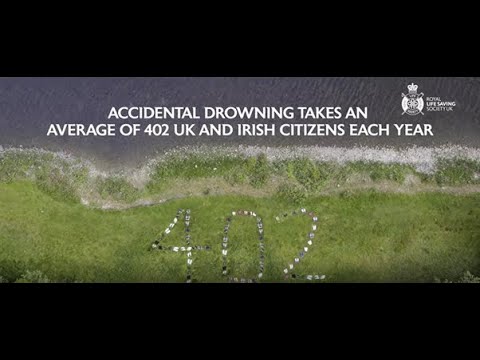
Give Drowning the Boot

Kirsty Walsh on Don't Drink and Drown
What is Don't Drink and Drown Week?
Don’t Drink and Drown is the Royal Life Saving Society UK’s national campaign that encourages smart decision-making whilst being drunk around water.
#DontDrinkandDrown
This campaign particularly wants to target those of us who should be responsible for their friends if they have had too much to drink; helping them to return home safely.
46% of accidental drownings in those aged 18 - 25 involve alcohol and/or drugs.
It is critical to target this age group as:
- 3 in 4 young adult drinkers think it is okay to drink alcohol and get into the water.
- In the last year, young adult drinkers are 3x more likely to have been swimming or have entered the water after drinking alcohol, when compared to older adults.
The charity, the Royal Life Saving Society UK, launched the campaign following a string of tragic and high-profile student drownings in 2014.
Every year RLSS UK staff, partners, and volunteers carry out activities and events in towns and cities that have demonstrated a particularly high number of alcohol-related drownings.
This year's themes:
- Don’t walk home near water after a night out, you might fall in.
- Make sure your mates get home safely after a night out, don’t let them walk home on their own.
- Cold water kills and can take the life of even the strongest swimmer.
- Don’t enter the water if you’ve been drinking, alcohol seriously affects your ability to get out.
Mates love your presence more than your presents. Walk them home.
Baby, it's cold outside (and in here).
Don't go home alone (ya filthy animal).
Three wise men walk home together.
Would you let your friend walk alone down here?
So, why let your friend walk alone near water?
Being responsible for your friends around water, especially if they've had too much to drink, is so important; help them get home safely.
This year, the campaign aims to continue driving down the rate of alcohol-related fatalities in, what are usually, completely avoidable tragic incidents.
The Charity are pushing their #BeAMate message by encouraging people to:
- Stay safe
- Plan a safe route away from water
- Look after one another
People tragically die each year because they’ve entered the water under the influence, sometimes deliberately or more often, completely by accident. Alcohol and drugs can seriously impede your ability to survive in water. If you’ve had a drink, stay away from the water.
Most people who drown when under the influence have done so by falling in while walking alone near water. This year, more people are likely to be drinking at home, and so we are urging people to consider their actions when heading home. #BeAMate.
We know that everyone looks forward to enjoying nights out at this time of year, and we’re asking for ‘guardian angels’ to stand up and be counted; if somebody is leaving your house when under the influence, then make sure they have a safe route home.
Don’t Drink and Drown was launched in 2014 following a string of tragic drownings of young people. The campaign has two targeted time frames when alcohol-related drownings have been shown to be particularly high. These are September (at the start of the new university term) and December (during the festive period), with the 2025 campaigns running throughout September and 6 - 12 December.
Key statistics:
There were 365 accidental drownings involving alcohol and/or drugs in the United Kingdom from 2018-2022.
That's an average of 73 per year.
This represents 29% of all accidental drownings that occurred in the UK during this period.
25% were aged 16-25 years old.
Of these:
- 84% were male
- 68% of drownings occurred inland
- 3 in 5 (59%) never intended to be in the water
- 32% of fatalities occurred during the coldest months of the year, in December, January and February.

How can I improve my water safety skills?
If you've been drinking, or plan on drinking, the safest thing to do will always be to avoid walking near bodies of water, but it's always beneficial to learn more about how to be safe around water and improve your skills.
Join the East Riding Leisure social media channels to discover more each day throughout Don't Drink and Drown Week.
Water Safety
Learn more about how to #enjoywatersafely with these annual water safety campaigns run by RLSS, STA and WHO.
- RLSS (Royal Life Saving Society UK) is the governing body of our lifeguards.
- STA (Swimming Teacher's Association) is the governing body of our swimming instructors.
- WHO is the World Health Organisation.
Each campaign only lasts a week or so, but water safety is important all year round.
Save and splash with a membership!
All our memberships include swimming. Plan on swimming more than once a week? You could save with a membership.
Follow us on social media